Saturday, April 7, 2012

April 7

What a difference a year and the weather can make in a garden. 

Below are photos from April 7, 2011, each followed by a photo from today, April 7, 2012. It is amazing to see the difference in the growth of the plants. 

For perspective, the Winter of 2010-2011 was one of the coldest on record. The Spring of 2011 was rather warm and dry. It was followed by the Summer of 2011, which was one of the hottest and driest on record. Then we had an extremely mild and relatively wet winter of 2011-2012. The Spring of 2012 has been a little warmer than average with about average rainfall.

The only major change that I made to the garden in 2011 was to remove the snowball viburnum and replace it with a stock tank. All of the other changes were shaped by the weather and the natural spreading of the plants.


2011


2012


2011


2012


2011

2012

Thursday, April 5, 2012

Attention: Citizens of Plano, Texas

Lake Lavon is full and outside watering restrictions have been relaxed, but just because we CAN now water once a week does not mean we HAVE to water once a week. We had a good rain two days ago! The soil is moist. We don’t NEED to water now. If you want to have enough water for your landscape later in the summer, water only when the soil is dry and do not water by the calendar.


Other than hand watering transplants, I have not watered since early September and my garden is colorful and full of life. I am not bragging, just offering you something to think about.

Sunday, April 1, 2012

The End of My Foolish Prairie Garden

I have been thinking about the future of my prairie garden for a while and now on April 1, I have finally made the difficult decision that it is time to abandon this foolishness and declare my four year prairie garden experiment a mistake and a waste of time.

I know this will come as a shock to many, but I have thought long and hard about this and the truth of the matter is that I miss my lawn and I want it back. I wish I could have known how much I would miss my lawn before I went through the effort of digging out the lawn by hand and replanting with Texas native and prairie plants. Now I know how much I appreciate the uniformity and clean look of freshly mown grass. I suppose the stigma of being the only person in the neighborhood without a lawn influences my decision too. My prairie garden is out of place and does not blend in with the rest of the neighborhood. My garden is a cacophony of colors, shapes and textures in a sea of flat green grass, geometrically shaped shrubs and over pruned crepe myrtles. My prairie garden style even makes me more of a neighborhood outcast than the neighbors with traditional style lawns that are not maintained and are overrun with weeds. The planted stock tank in front of my house may not help matters either.


2004. The "before I removed the lawn" look complete with rectangular shrubs
and For Sale sign. Standard Plano landscaping. This is the look I want again.

2007. The beginning of the end for the lawn. I just could not control my urge
to expand that flowerbed and remove my beautiful carpet of St. Augustine grass.

2012. The neighborhood misfit as it is today with no lawn. 

Over the last couple of years, I have grown to miss some things about lawns, particularly their maintenance. For example, I love the smell of fresh cut grass. I even miss cutting grass every week. I miss the roar of a gasoline powered mower that drowns out all other sounds and gives you a few peaceful moments to think. You can also sing at the top of your lungs while mowing and no one can hear how bad it sounds. The same goes for gasoline trimmers and blowers. Oh, and don’t forget the exhaust fumes. Just thinking about the scent brings back so many memories.

Speaking of scents, this is the time of year that the air is filled with the scent of chemical fertilizers, pesticides, and herbicides. After working my way through college at a garden center, I can usually identify the chemical scents that the wind carries into my garden from several lawns away. Last weekend, while working in my front yard, I picked up a familiar scent of what I thought was the herbicide 2,4-D. A few minutes later, a neighbor a couple of houses down came around to his front yard spraying his lawn from a premixed hose end sprayer. I watched with envy as he, in shorts and bare feet, sprayed the chemical concoction on his lawn as his wife and two small children played nearby and sometimes crossed into the area he just sprayed. That is the picture of the American dream.

I found this news clip on The Ladybird Johnson Wildflower Center’s facebook page a few days ago. 
The video talks about how the invasive bastard cabbage from Europe is choking out native wildflowers. The weed has been popping up everywhere around here for the last couple of years. I even found one growing in my prairie. I pulled it out once it bloomed and I realized what it was. In the future, our lovely lawns may be the only zones free of bastard cabbage because we can easily kill the invaders with weed and feed fertilizers and other chemical herbicides. The availability of chemical herbicides is another advantage that lawns have over my prairie garden. You cannot spray herbicides in a prairie garden because they will kill all of the prairie plants. Weeds need to be removed by hand in a prairie garden. What a waste of time that is!

The header of this blog says that my prairie garden is low maintenance. Well, I lied. It is not low maintenance. Sure, I don’t have to do things like mowing every week, but the work never ends. I have been working on this garden since I moved into this house eight years ago and I am still not finished. Every time I think I am close to being finished, I think up a new project. That is the problem with this type of garden, it stimulates creativity. I can’t stop thinking of new things to do in the garden. New plants, flowerbeds, pathways, rain gardens, vegetable gardens, flagstone patios—the ideas keep coming and I am powerless to stop them. I am tired and getting too old for all of this manual labor and I am too picky to pay someone to do the work for me. A lawn would be a better option. After all, how creative can you get with a lawn unless you want to create a putting green or a crisscross mowing pattern like they have on baseball fields?

I realize that some nature lovers will argue that my prairie garden provides much needed wildlife habitat. I suppose it does to a degree, but my little plot of native plants cannot make up for the volume of native habitat that is lost to development every day. If native wildlife cannot adapt to our changing world of foreign, invasive plants, lawn grass, genetically modified food crops and concrete, then their eradication is inevitable. I am not going to devote my precious lawn space to native plants that support dying species.

After last year’s drought, spring rains have raised lake levels and our watering restrictions have been revised to allow watering once a week. This seems like the perfect time to plant a new lawn. Once I begin planting my lawn, I will have to rename this blog. I think the new header should read: Plain Ol’ Plano Garden - Returning to a generic, boring, high maintenance suburban landscape that is nothing special and just like all the others.

Below is one last look at the Plano Prairie Garden before I start ripping out plants and planting my new lawn. Click on the video below for mood music as you scroll through the pictures.


Autumn Sage, Salvia greggii, Husker Red Penstemon, Penstemon digitalis 'Husker Red', Four Nerve Daisy, Tetraneuris scaposa, and Pale Leaf Yucca, Yucca pallida.

Gulf Coast Penstemon, Penstemon tenuis.


Morning dew on blades of Indian Grass, Sorghastrum nutans.

Monarch caterpillar eggs about to hatch.

A skipper on four nerve daisy.

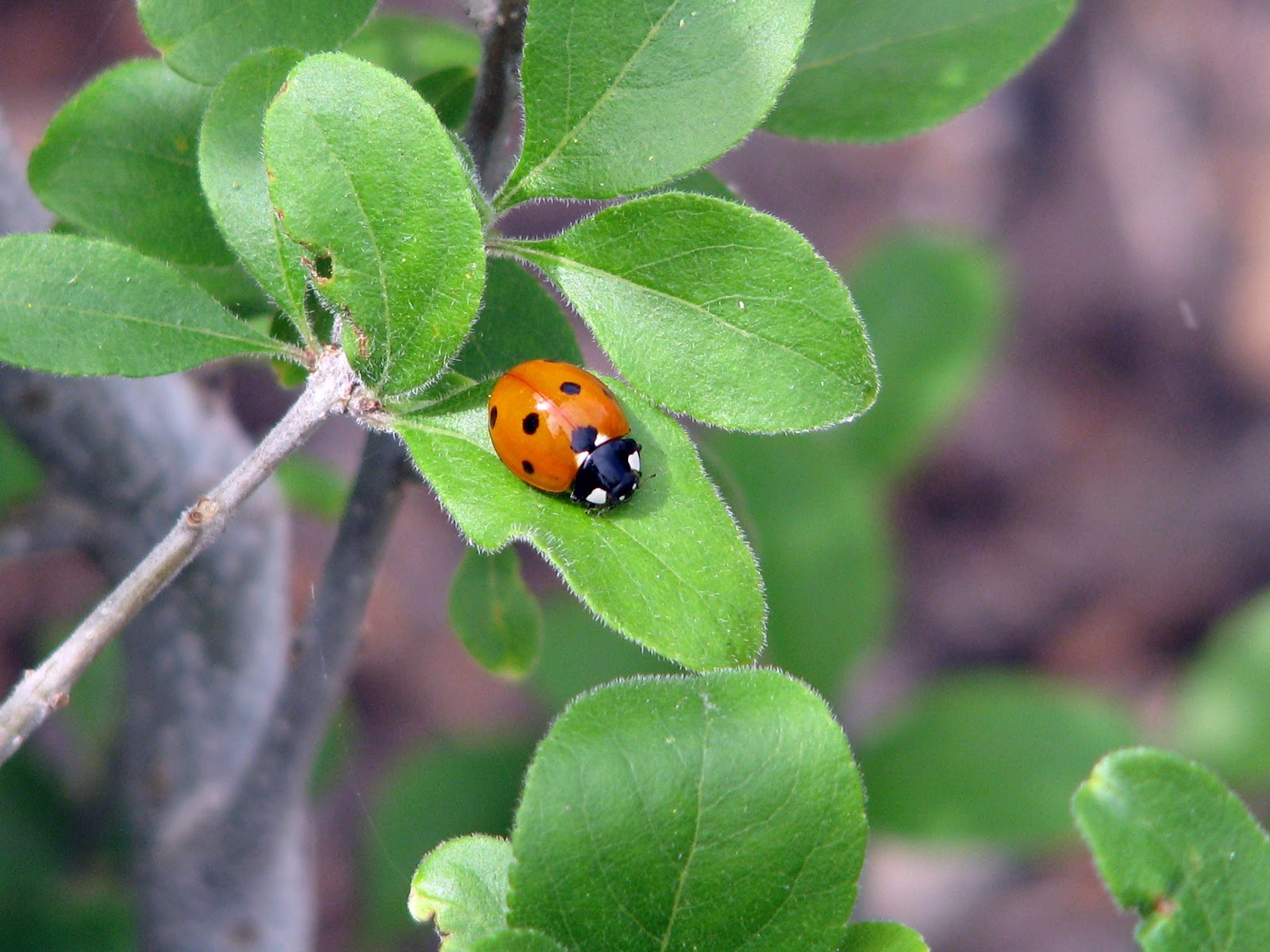
Ladybug beetle on Elbow bush, Forestiera pubescens.